Why Brand Suitability Controls Are Hurting Performance
How broad brand suitability controls hurt ad performance and how precision targeting can enhance reach, reduce costs, and improve ROI. Learn smarter...
3 min read
David Simutis
:
Published
As CTV absorbed linear budgets, buyers brought linear expectations with them. They wanted to know what program their ad ran in, what genre it belonged to, and whether its tone suited the brand. In programmatic CTV, the bid request's content object is where that information is supposed to travel, and most targeting and suitability decisions downstream depend on what it contains.
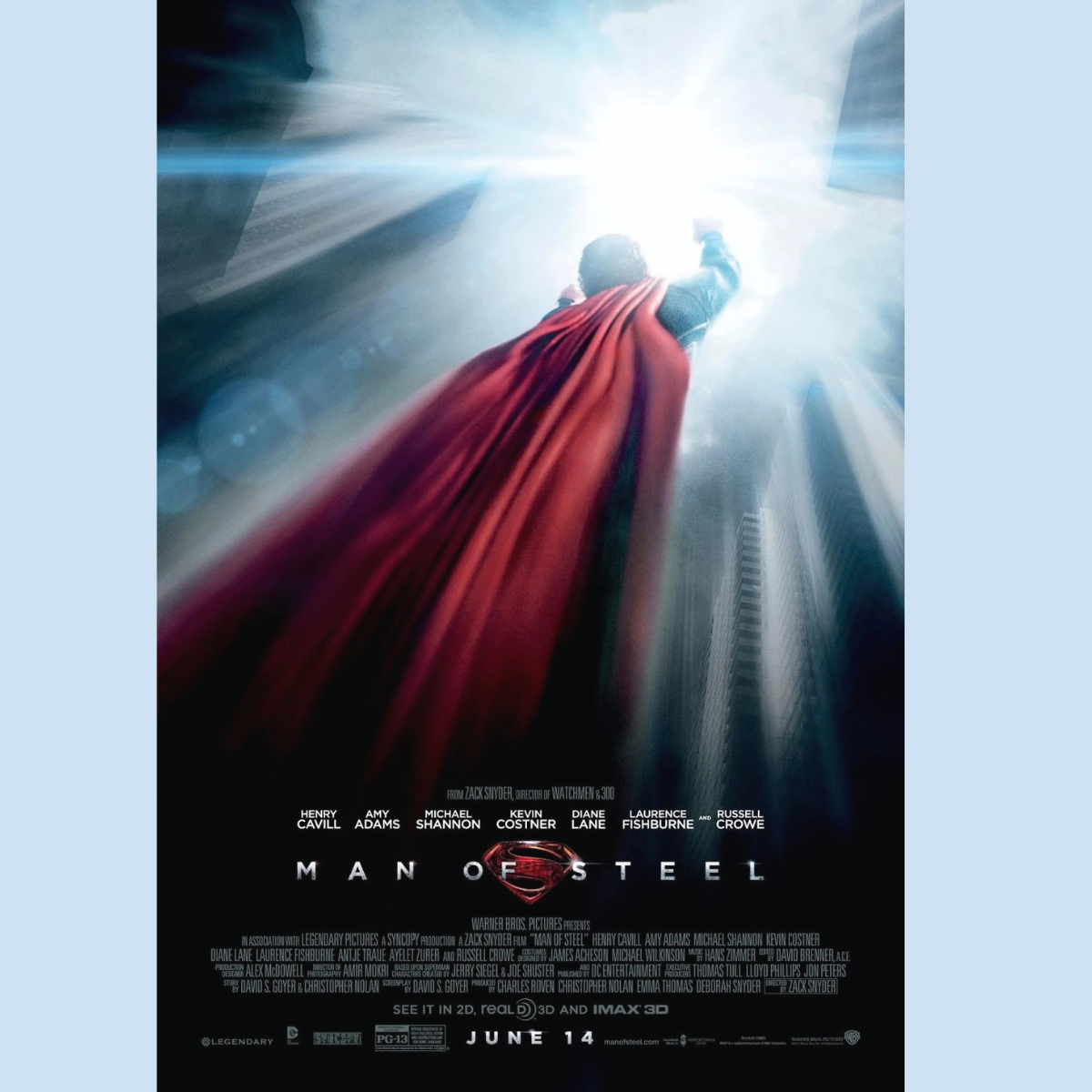
Aggregate signal gaps are easy to discuss as percentages, but their effects are harder to picture. So we traced a single film, Man of Steel, through the bid stream to see how its description changed between the source and the DSP.
The film has one authenticated description. By the time its bid requests reached buyers, it had picked up five others, none of which matched the original.
Peer39's authenticated data for Man of Steel carries four top-level genre classifications ("Action", "Adventure", "Science Fiction" and "Fantasy") along with sub-genres and content advisories. That record is the same every time the film is identified, regardless of where it streams.
Across roughly 327,000 bid requests for the film, 0% carried that complete genre set. Fifty-eight percent passed a single tag, "Fantasy," which dropped "Action," "Adventure" and "Sci-Fi" entirely. About a quarter passed "Sci-fi" alone, and a small percentage passed "Action" or a generic "Other." Around 11% contained no content object at all. "Adventure" never appeared in any request, and no request carried more than one of the five authenticated values.
So why does the spec allow this? Nothing in the bid request requires more than the minimum. In OpenRTB, the content object and the fields inside it are recommended, and genre is a free-text string with no required vocabulary. A request that passes "Sci-fi" and one that passes "Science fiction" both comply, and so does one that passes nothing.
Each step in the supply chain between the source and the exchange can truncate, reformat or drop metadata while remaining fully within the spec. This means that the same film arrives in several different forms depending on the path it took, and none of those forms is technically wrong under the rules that govern the transaction.
No part of the content object indicates whether its contents are complete or verified. A request carrying one self-declared tag looks, to the bidding logic, just as trustworthy as a request carrying the full authenticated profile, and a request with an empty object simply has nothing to evaluate.
That creates problems on both sides of the buy. A buyer targeting "Action" titles would have reached about 2.5% of the film's available requests, since that is the only share that passed "Action." A suitability setup built on exclusion lists has the opposite problem: an empty or partial content object rarely triggers a block, because there is nothing in it to match against.
Brand safety tools that read the bid stream inherit the same limits, which means the systems responsible for judging content are often working from the thinnest version of it.
1. Low effort (fast checks anyone can do)
2. Medium effort (title-level spot checks)
3. Higher effort (patterns observable at scale)
Man of Steel is just one film, but the pattern it shows is typical of how program-level metadata moves through CTV supply today. Peer39 authenticates content at the program level so that a title carries the same description regardless of the path it takes to the DSP, giving buyers and verification tools a consistent record to work from.
Go here to read the full report, The Brand Safety Illusion: Why Web-Level Verification Doesn't Travel to CTV, to see how this single-title gap scales across the entire CTV bid stream.
How broad brand suitability controls hurt ad performance and how precision targeting can enhance reach, reduce costs, and improve ROI. Learn smarter...
Learning how to limit brand safety risk in CTV advertising is vital, as streaming services outpace traditional cable and network TV. Here are our top...

Optimize your Amazon DSP campaigns with Peer39’s precision targeting to improve performance, eliminate waste, and enhance brand safety for better...